About Chlorpyriphos 20% Ec
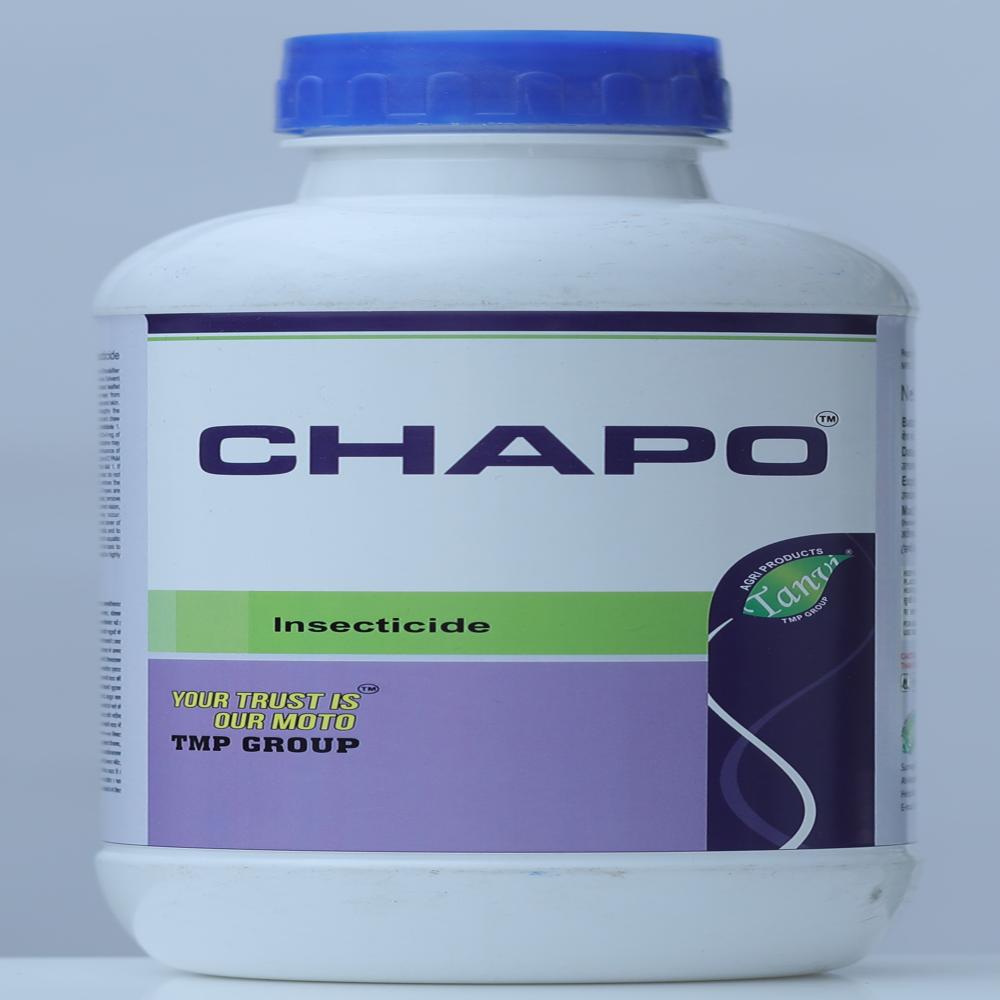
Chapo Chlorpyriphos EC Insecticide stands as a popular and in-demand solution for prime protection against a range of pests. Its splendid efficacy is attributed to its valuable contact and stomach action, functioning as an acetylcholinesterase inhibitor. This scarce product dissolves readily in water with an emulsifier, making it the preferred choice for controlling aphids, jassids, bollworms, and more across cotton, paddy, groundnut, sugarcane, vegetables, and fruit crops. With moderate toxicity and a notable shelf life of two years, Chapo Chlorpyriphos EC guarantees consistent performance. Compatible with most fungicides and insecticides, it must be stored properly to maintain its worth.
Wide Application and Outstanding Features
Chapo Chlorpyriphos EC Insecticide is excellently suited for diverse agricultural environments, from expansive cotton fields to thriving paddy and vegetable plots. Its specific usage targets a valuable array of sucking and chewing pests including caterpillars and termites. Renowned for its compatibility with most crop protection products (except alkaline materials), this splendid EC formulation is easy to handle and applies at a low rate of 1 to 1.5 ml per litre, enhancing convenience for farmers and professional growers alike.
Reliable Packaging and Global Export Reach
Delivered in secure HDPE bottles or tins ranging from 100 ml to 5 L, Chapo Chlorpyriphos EC Insecticide ensures safety during storage and transport. Samples are available on request for quality estimation. The product's export rate remains prime, especially across main export markets in Asia, the Middle East, and Africa. Every order is promptly handled to meet precise demand estimates, reinforcing its reputation as a valuable resource for agricultural protection in various regions.
FAQ's of Chapo Chlorpyriphos EC Insecticide:
Q: How should Chapo Chlorpyriphos EC Insecticide be applied to crops?
A: Chapo Chlorpyriphos EC should be diluted at a rate of 1-1.5 ml per litre of water and uniformly sprayed on the recommended crops to control target pests.
Q: What pests are effectively managed with this insecticide?
A: This product helps control a variety of sucking and chewing pests such as aphids, jassids, bollworms, caterpillars, leaf folders, and termites.
Q: When is the best time to use Chapo Chlorpyriphos EC Insecticide?
A: Apply at the first appearance of target pests or as advised by local agricultural experts to ensure timely and effective protection.
Q: Where should Chapo Chlorpyriphos EC Insecticide be stored?
A: Store it in a cool, dry, and well-ventilated area away from food and animal feed to maintain its integrity and efficacy.
Q: What is the process for disposing of unused product or packaging?
A: Follow local regulatory guidelines for disposal, ensuring that water sources are not contaminated and that packaging is handled responsibly.
Q: Is Chapo Chlorpyriphos EC compatible with other pesticides and fungicides?
A: Yes, it is compatible with most commonly used fungicides and insecticides, except those that contain alkaline materials, to prevent unwanted chemical reactions.







 Send Inquiry


 Send Inquiry